
Mar ~ Marionetas | Espinho International Puppet Festival
Mar~Marionetas - Festival Internacional de Marionetas de Espinho 2026
Mr. Aníbal [ SHOW ]
- Teatro de Marionetas do Porto < Porto
- M/3 . 50mins . free access
- session with interpretation in Portuguese Sign Language
- booking > 0
| 29 MAY 21h30 . FRI | FACE / Museu Municipal de Espinho |


Mr. Aníbal
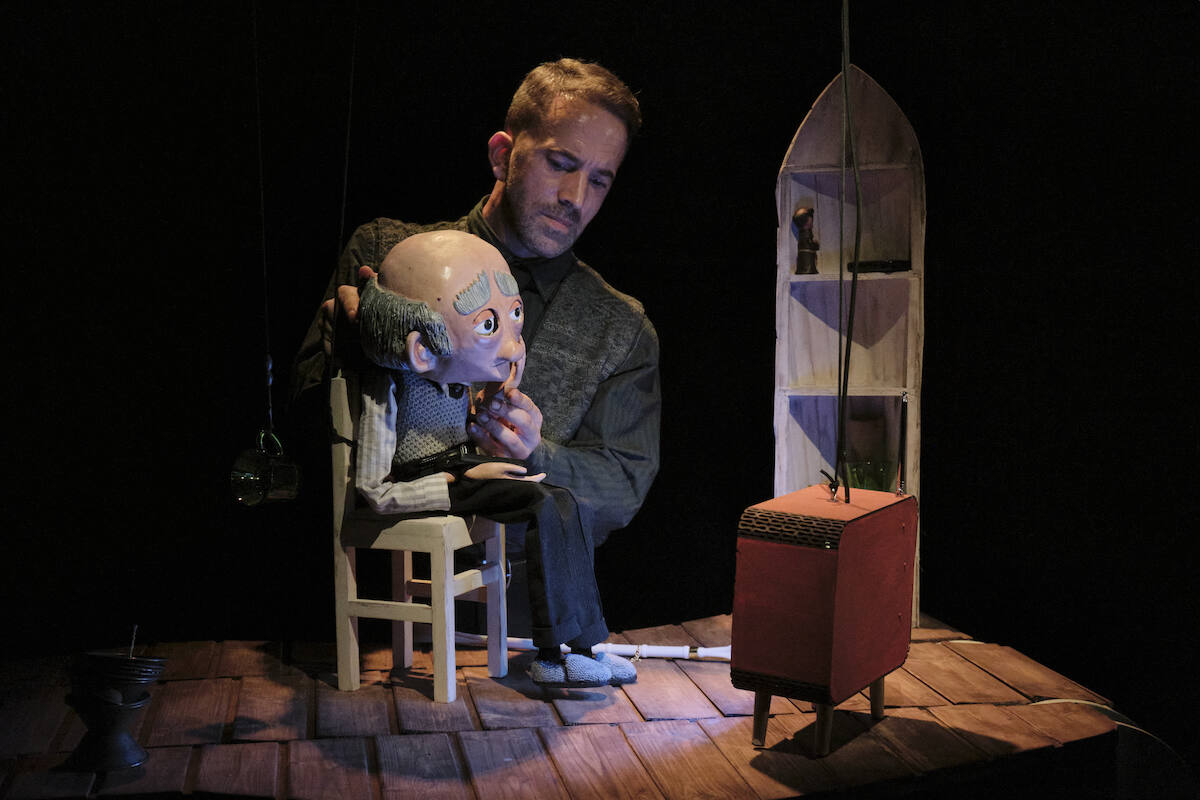
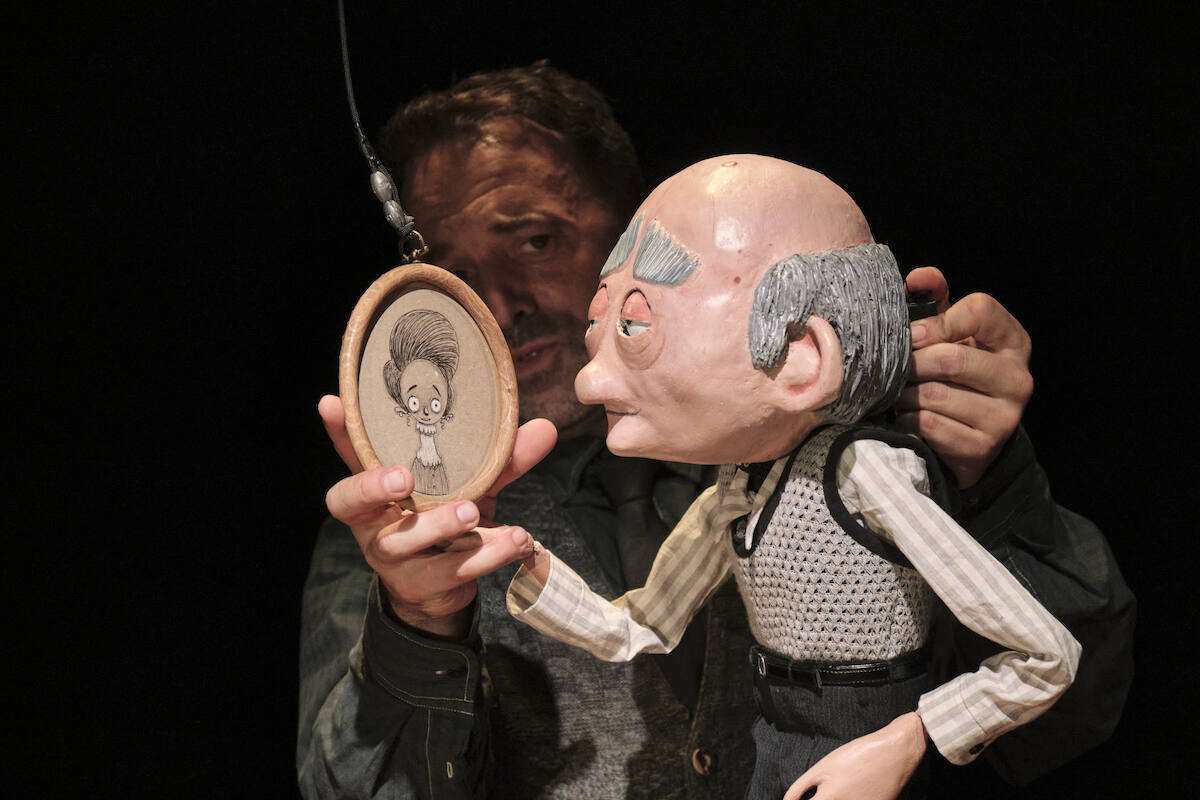
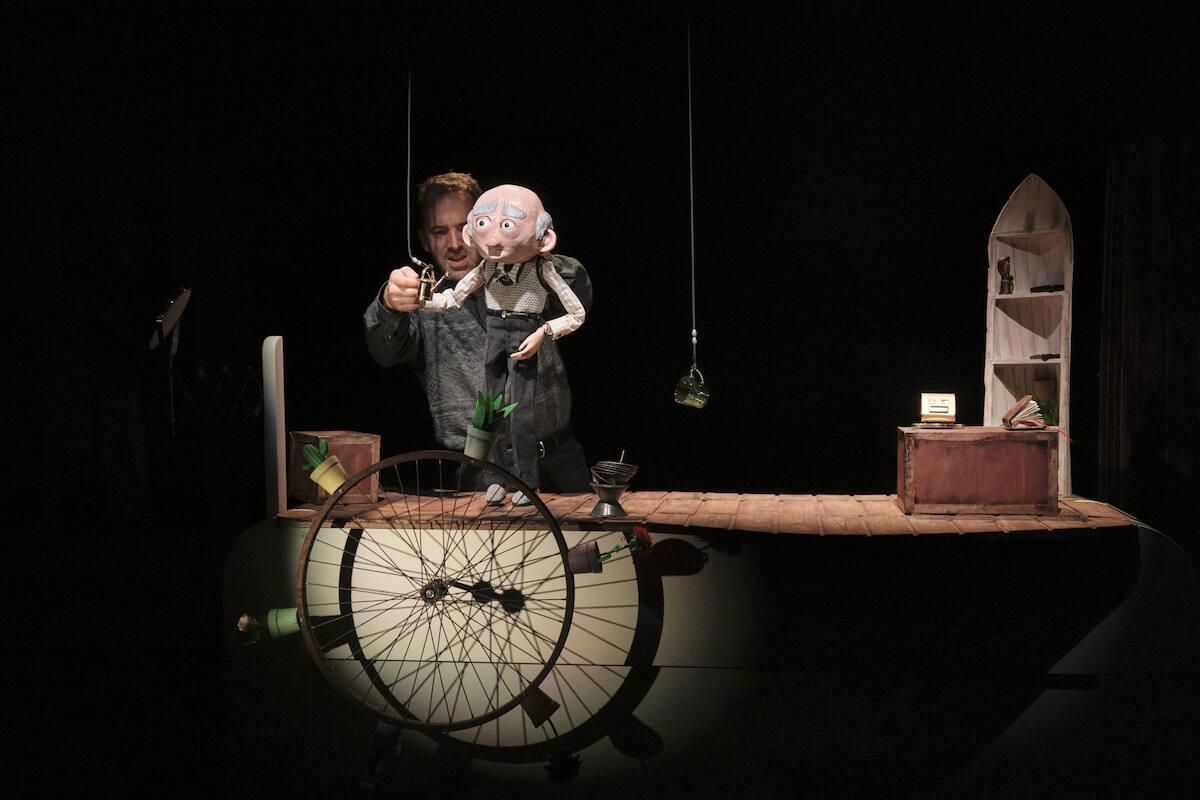
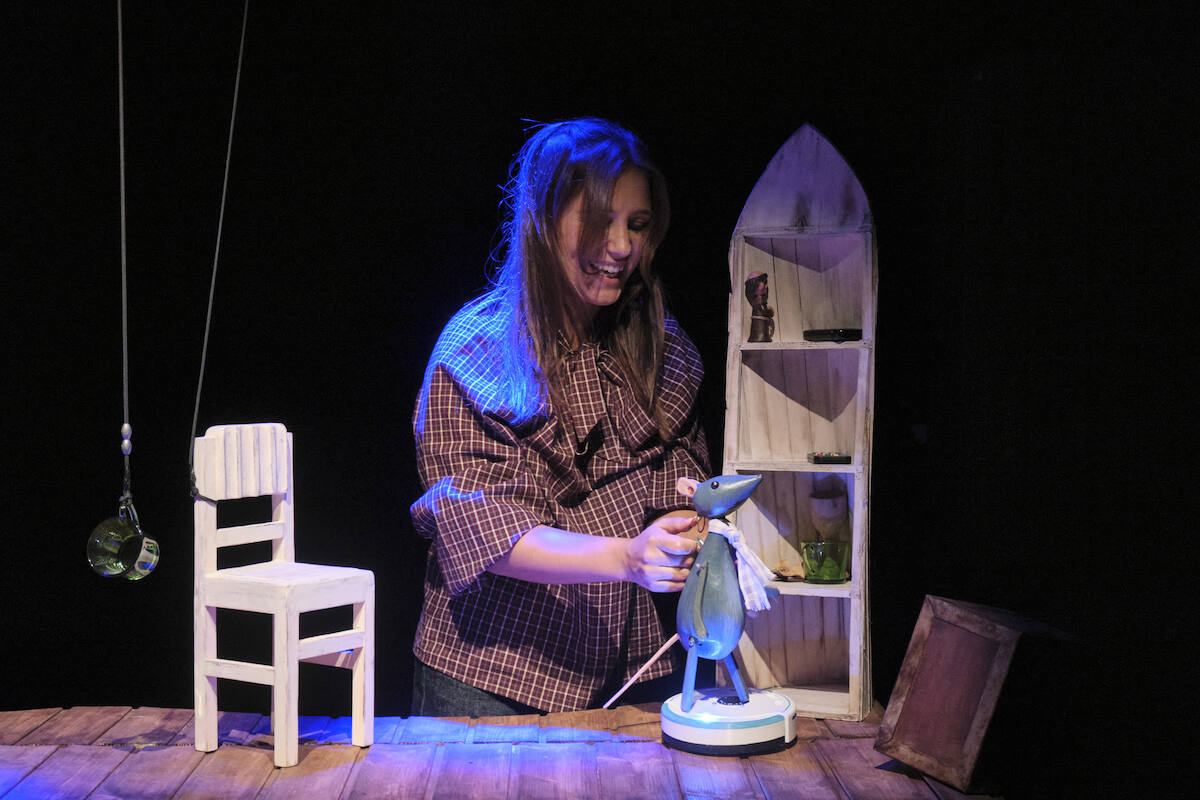
Mr. Aníbal is an elderly man who lives alone in a house that feels like a den. His only company is the objects that fill his home and the memories each one holds. Amid so much solitude, so much silence, does Mr. Aníbal feel lonely? Or do the jumbled memories of 80 years of life turn into dizzyingly entertaining moments? Can the objects in a house come to life just to keep this old man company?
Marionetas do Porto presents a show that reflects on old age and the loneliness associated with it. As we follow this character, we take a journey through his daily routines and his setbacks. In the show, the company explores everyday objects that carry their own memories, functions, and metaphors, while reflecting on old age in the modern world.
Teatro de Marionetas do Porto
Teatro de Marionetas do Porto was formed in September 1988, a symbolic date which coincided with the introduction of this company in the official selection of the Festival Mondial des Théâtres de Marionnettes, in Charleville-Mézières.
The company’s repertoire starts with “Teatro Dom Roberto”, traditional Portuguese puppets inherited by João Paulo Seara Cardoso (1956-2010), from puppet master António Dias, the last representative of the itinerant puppeteers generation in 1980.
The first shows created by the company are the result of a research on the traditional heritage, especially the popular tales, practices and theatrical rituals of the north of Portugal.
By this time, following an invitation from the Portuguese TV channel RTP, the company becomes an extended creation team (Sérgio Godinho, Jorge Constante Pereira and Alberto Péssimo) that, for about two years, will develop several television projects for children which influenced a whole generation and among which are “A Árvore dos Patafúrdios” and “Os Amigos do Gaspar”.
Marionetas do Porto reaches a certain public recognition with the debut of “Miséria” in 1991. This show was very well received by viewers and critics, and it also represents the first financial support from the state to our company’s activity. Two years later there is the premiere of “Vai no Batalha”, a popular Portuguese satirical and musical play with puppets, a scathing criticism to “cavaquismo” and the Portuguese mentality in the early 90s. The play remained on stage for about a year with sellouts.
After some popular theater formulae were tested, a new radically different cycle in the company’s history begins. Various experiments in search of a certain contemporaneity of puppetry begin with “3ª Estação” (“3rd Season” – co-production with Balleteatro Companhia) which combines puppetry with dance. Later, “Exit” (1998), the first play of the urban cycle, is a meditation on the postmodern human condition, in which the puppet theater is contaminated by other artistic languages such as music, video, dance and visual arts, thus assuming a more performative dimension and definitely taking a risk path. At this stage we must also point out the important participation of Maroinetas do Porto at Expo 98’s event “pilgrimage” with the performance “Máquina-Homem/Clone- Fighters” (“Machine-Man/Clone- Fighters”).
The shows aimed at a children’s audience become part of the annual output of the company. They are always based on original texts later published in book format.
In the second half of the 90’s there is a strong consolidation in the company’s artistic project. The Porto audience widens considerably, forcing the company to abandon the small theater of Belomonte and to search for other larger spaces in the city. Marionetas do Porto definitely gets an international projection and regularly performs in Europe and several other countries outside Europe (Spain, France, Ireland, Belgium, Holland, Austria, Switzerland, Italy, Israel, Brazil, Poland, Cape Verde, England, Morocco, China, Czech Republic, Canada and Germany). And Marionetas do Porto creates a network of programming partners in Portugal which means that currently, about 30% of the activity is developed on tour.
From the beginning of the new century, Marionetas do Porto develops its activity in this context and with a consolidated programmatic line. Some shows mark this phase: “Nada ou o Silêncio de Beckett” (“Nothing or Beckett’s Silence”) – the one most often presented abroad, “Macbeth” – an important experience with a dramatic text, “Paisagem Azul com Automóveis” (“Blue Landscape With Cars”) – a co-production with Porto 2001 and TNSJ, and “Cabaret Molotov”, a foray into the universe of circus and cabaret.
In 2008, Marionetas do Porto celebrated 20 years of activity and, along with the debut of a new production, which was a sort of celebration – “Boca de Cena: Theatre-Dinner”, the company suggested revisiting the past to the public of all ages, featuring 17 outstanding productions from the company’s history. Between Porto, several Portuguese cities and some travels abroad, the company reached an all-time high: 216 performances to 23,017 viewers.
In the year that Marionetas do Porto celebrated 25 years (2013), the Puppet Theatre of Porto has fulfilled the lifelong dream of its founder João Paulo Seara Cardoso (1956-2010), the opening of the museum Museu das Marionetas do Porto.
art
DIRECTION AND DRAMATURGY Micaela SoaresTEXT Micaela Soares, Vítor Gomes
SET DESIGN Filipe Azevedo, João Pedro Trindade
PUPPETS João Rodrigues
SOUND DESIGN Luís Aly
LIGHTING DESIGN Filipe Azevedo
COSTUMES Letícia dos Santos
PERFORMANCE Micaela Soares, Vítor Gomes
PRODUCTION Sofia Carvalho
CONSTRUCTION João Pedro Trindade (coordination), Catarina Falcão, Filipe Azevedo, João Rodrigues
LIGHTING AND SOUND OPERATION Filipe Azevedo
STAGE PHOTOGRAPHY Susana Neves
COPRODUCTION Marionetas do Porto, Festival Internacional de Marionetas do Porto
SUPPORT República Portuguesa, Cultura DGArtes