Mar ~ Marionetas | Espinho International Puppet Festival
Mar~Marionetas - Festival Internacional de Marionetas de Espinho 2026
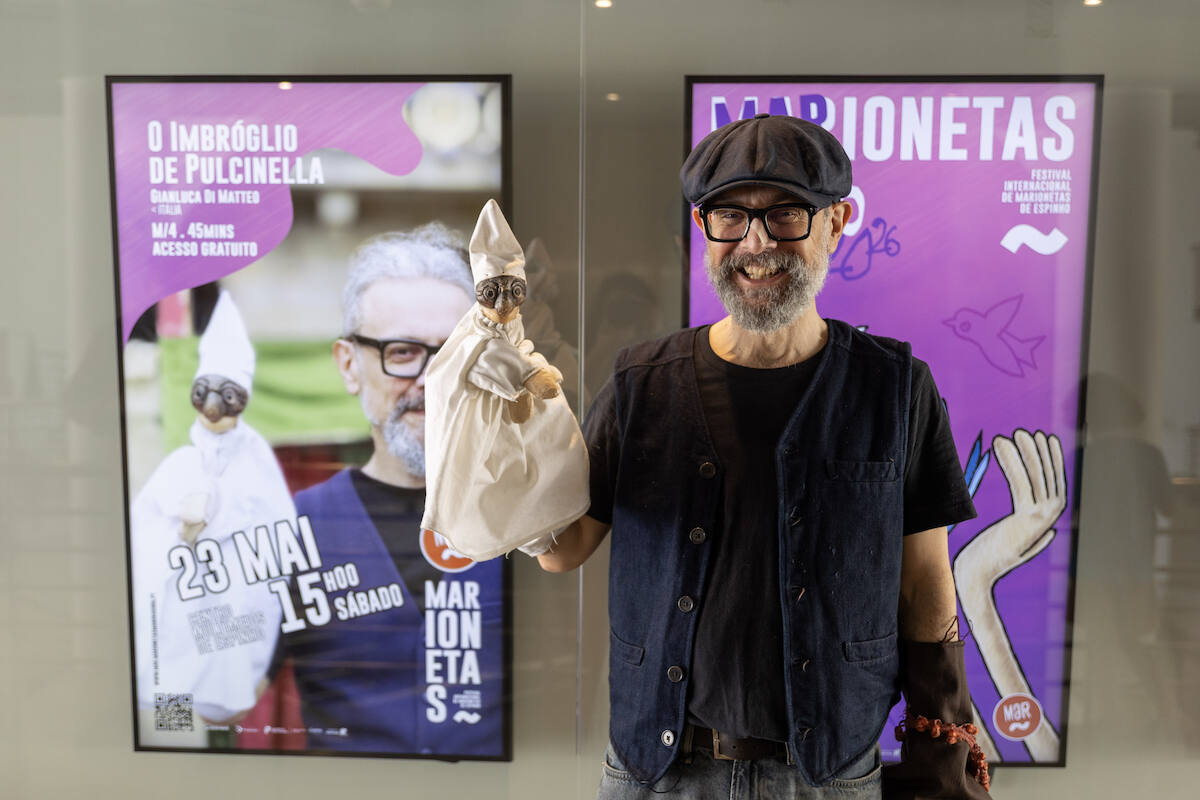
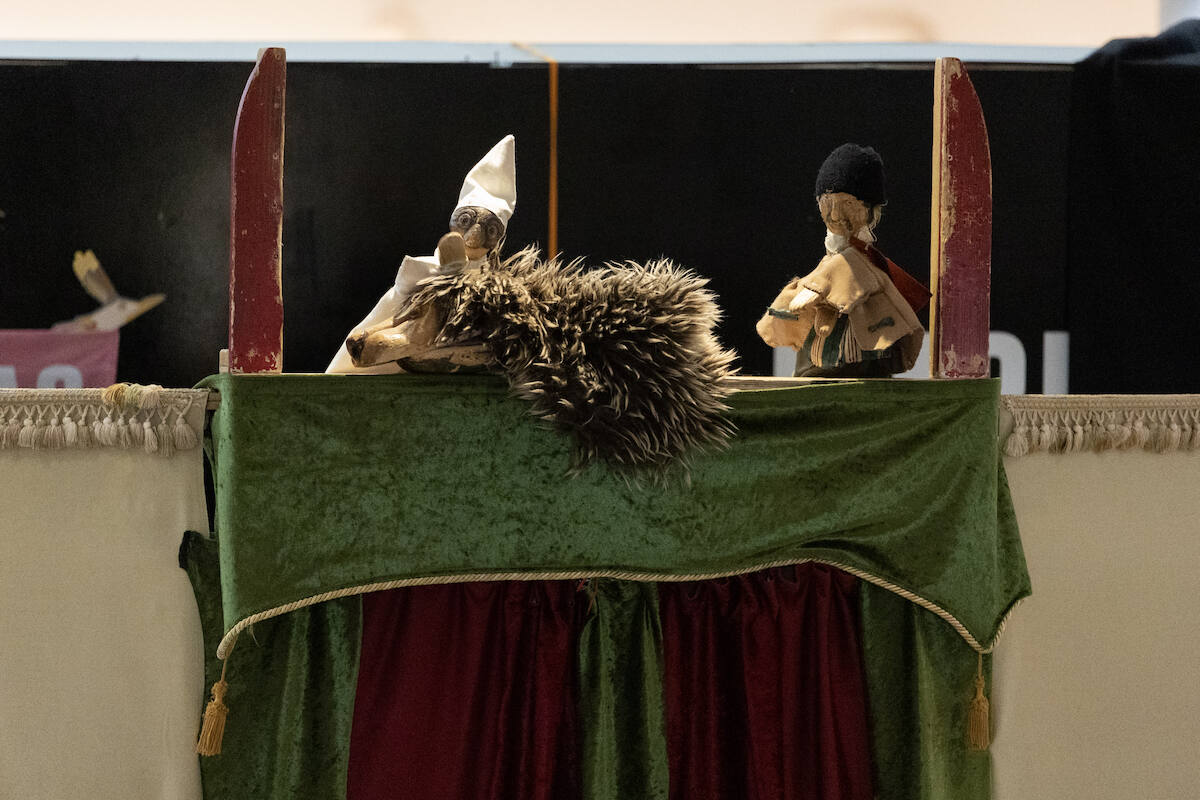
The Pulcinella Quagmire [ SHOW ]
- Gianluca Di Matteo < ITALY
- M/4 . 45mins . free access
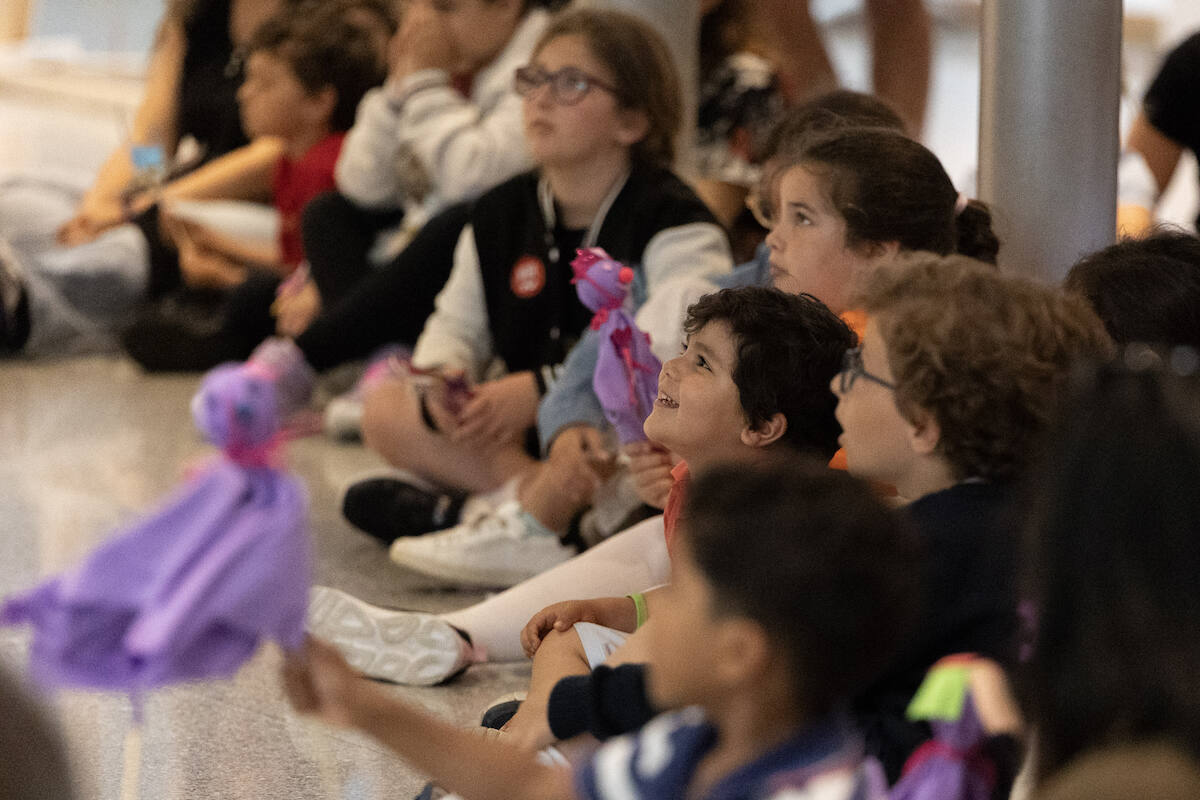
- a fast paced and entertaining show
| 23 MAY 15h00 . SAT | Centro Multimeios de Espinho |
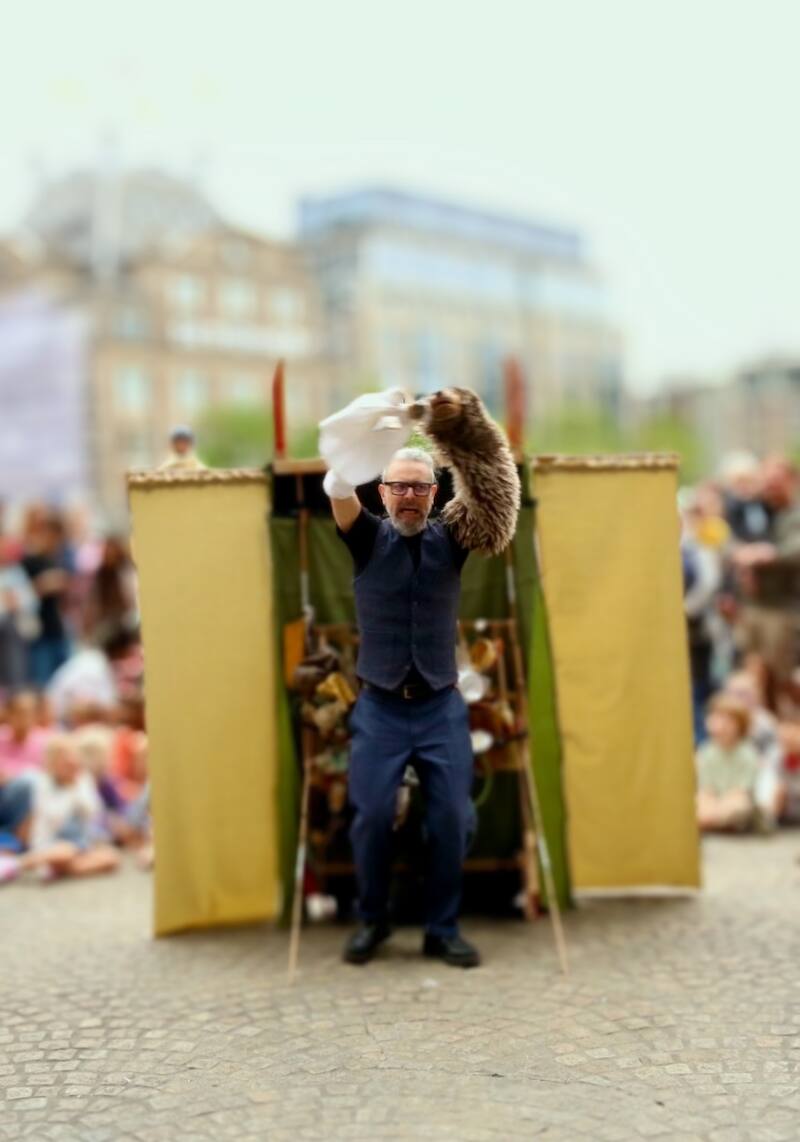
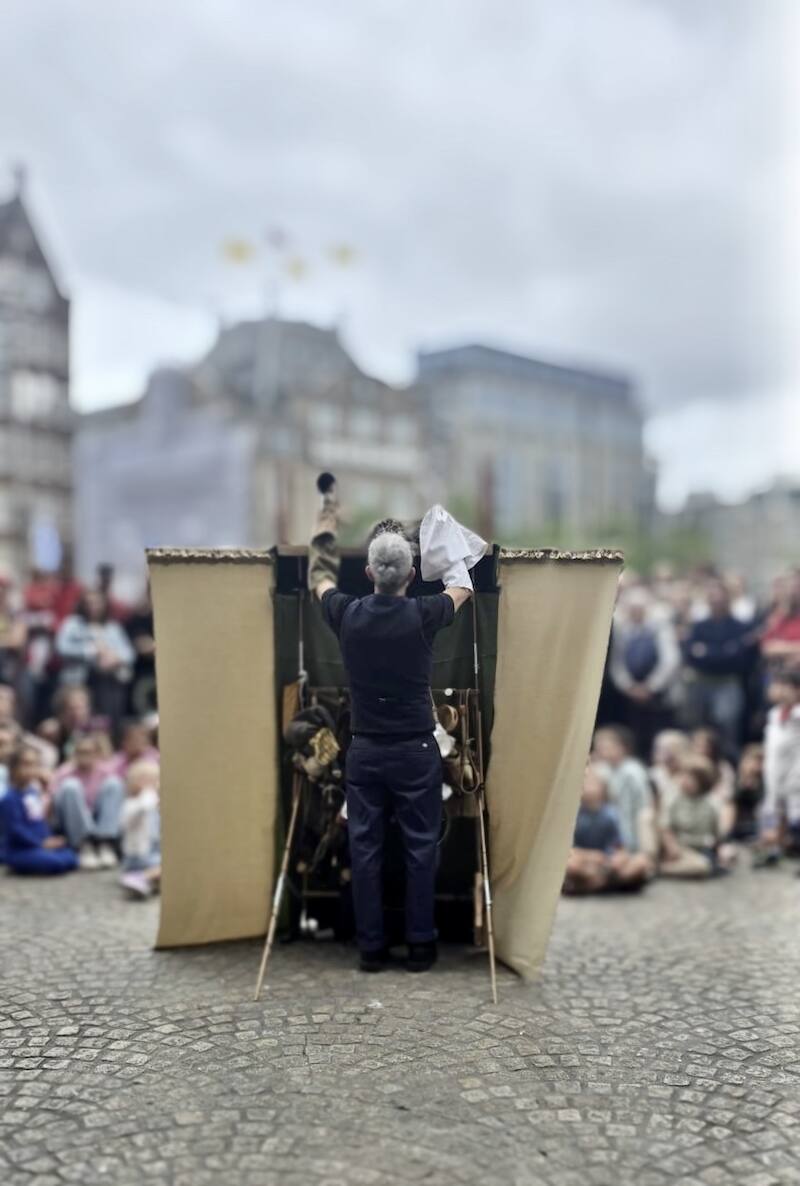
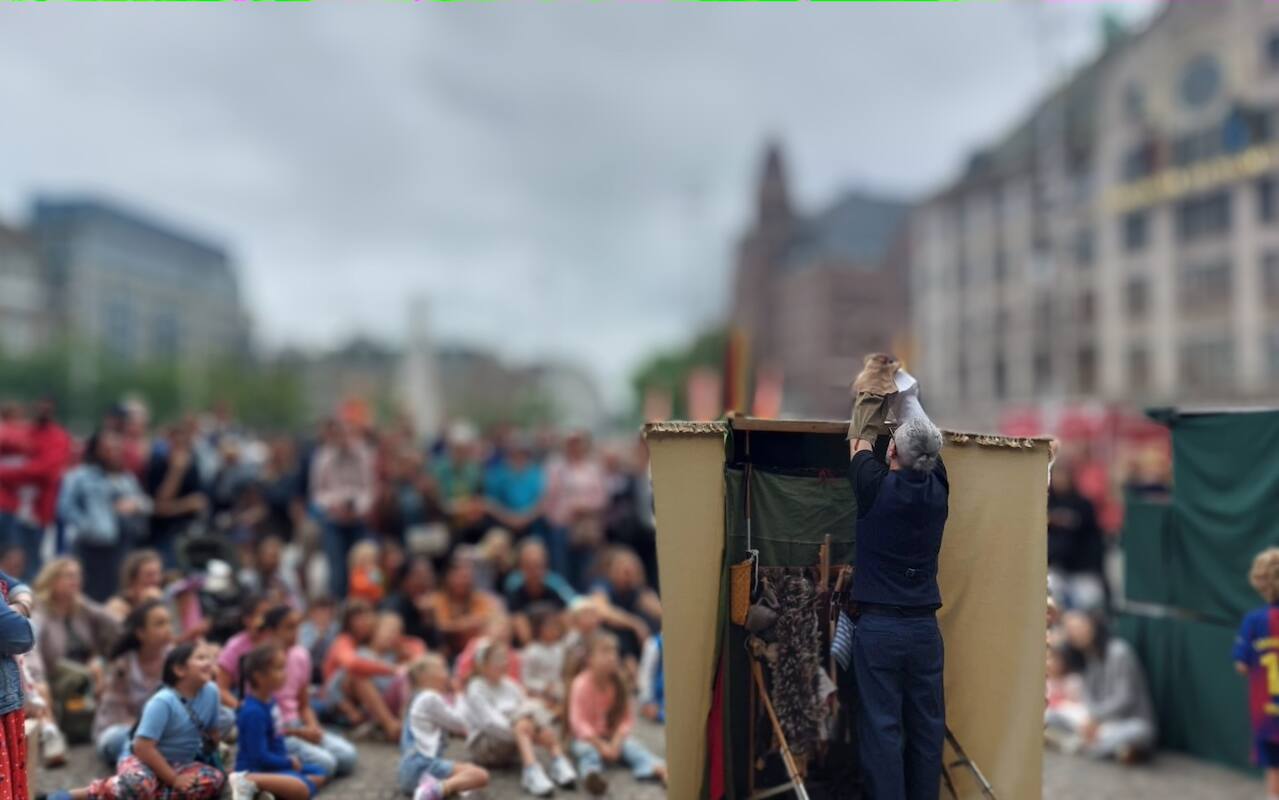
The Pulcinella Quagmire
“Guarattella” is an old Neapolitan word which translates as: “an initially very simple situation that evolves into a very confusing one”. The word is still used in Naples to indicate when people clumsily succumb to an otherwise mundane situation.
In theaters however, the “guarattelle” are the traditional Neapolitan Puppetry shows.
Some stories are based on old canvases, dating back to the 1600s. In these stories, Pulcinella meets, and often fights, typical characters from folk theater: the wicked man, the fierce dog, the executioner, the Grim Reaper…
The conflict that develops from these meetings is always funny, irreverent, cathartic, and moves forward with an unstoppable rhythm.
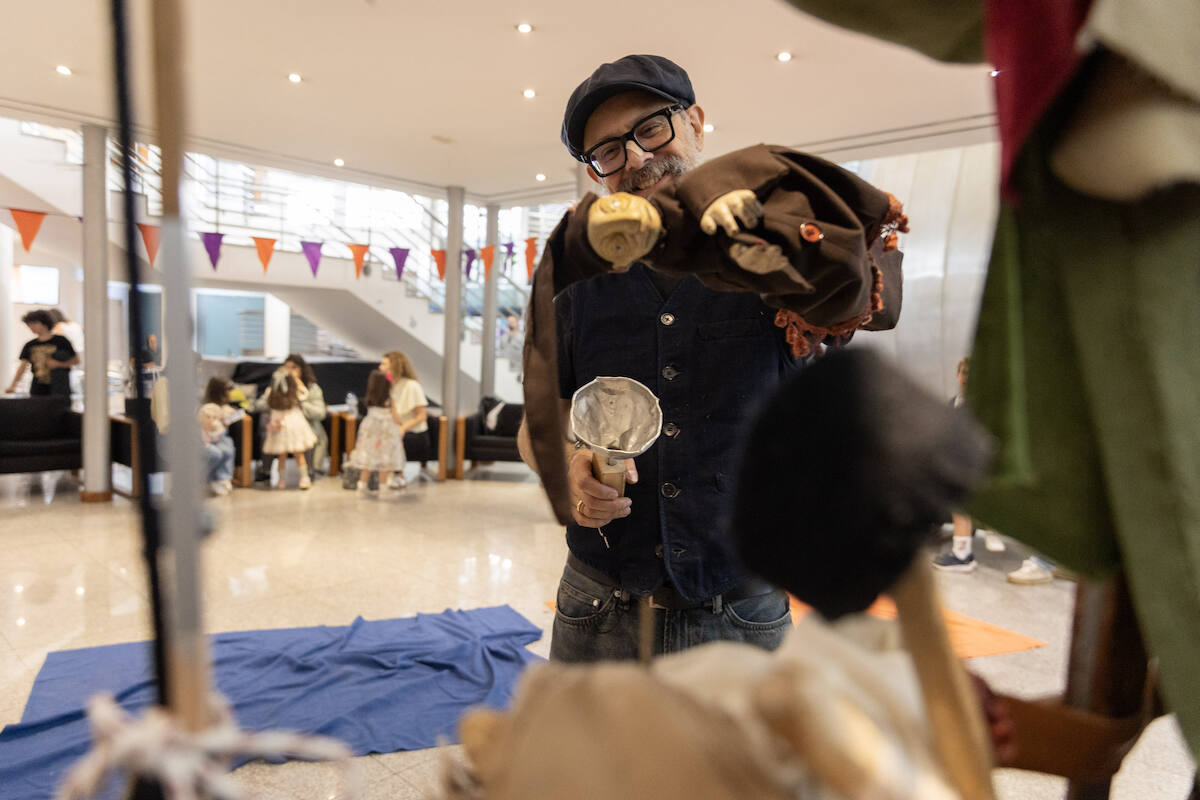
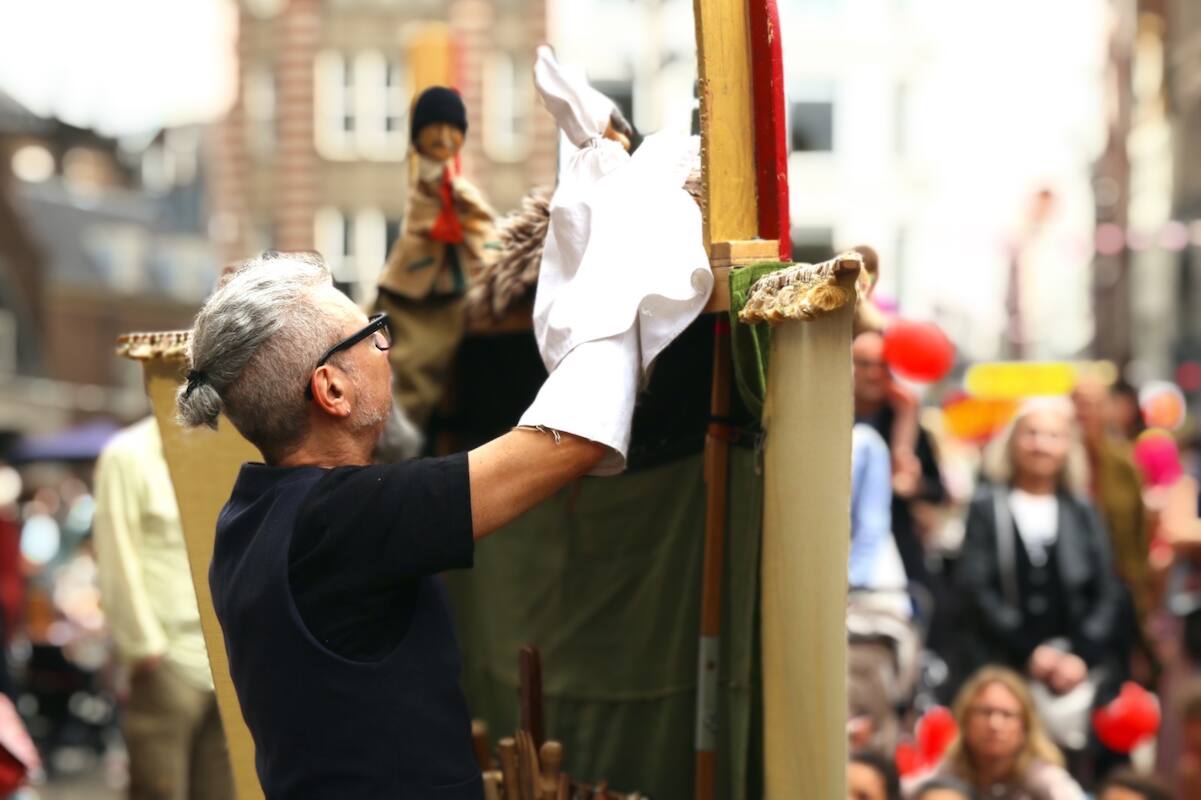
These stories have been passed down through the centuries and Gianluca has been performing them for more than fifteen years with his little Puppetry Theatre.
Pulcinella is a well known character, but one may not be familiar with his voice when performed in a puppetry show. A magic and powerful voice, similar to the quack of a duck and that is handed down with an old and mysterious technique from teacher to pupil.
what the festival has to say
Italy brings to Mar Marionetas one of the most traditional figures, which gave rise to the popular puppets found all over the world.
The Polichinelo Theater is considered the first puppet theater to emerge from the Italian Commedia dell'arte. Since its inception, history tells us, this theatrical form has spread to various countries, giving rise to diverse types of traditional puppets, which over the centuries also reached Portugal through the figure of the Teatro Dom Roberto.
These are self-contained stories, due to the heritage and historical value they embody. They are performed by various puppeteers who promote this traditional art and cherish its existence as a form of street theater, ensuring its perpetuation for the future while preserving the values of the identity that gave rise to it—the masks, materials such as wood carving, the costumes, and the very distinctive layout of this tent. It allows us to understand not only how it is done today, but also its origins through these simple figures and narratives. To know the identity of a people—in this case, Neapolitan Italy—that comes to us.
For enthusiasts, we could spend hours and hours trying to understand the differences between Polichinelo’s booth and Don Roberto’s booth. In fact, all these characteristics and forms reveal an identity, a culture, and a set of elements that allow us to identify where this theater was performed, for whom it was performed, and what social context enabled its existence.
In analyzing Italian folk puppet theater, we can identify not only the cultural enjoyment and its playful side but also observe a bit of the history that gave rise to it… We are entirely available to anyone who knows how to converse with the audience and with the artist about this incredible world of folk puppet theater, which leaves its mark all over the world, revealing the importance and value of this type of theater.
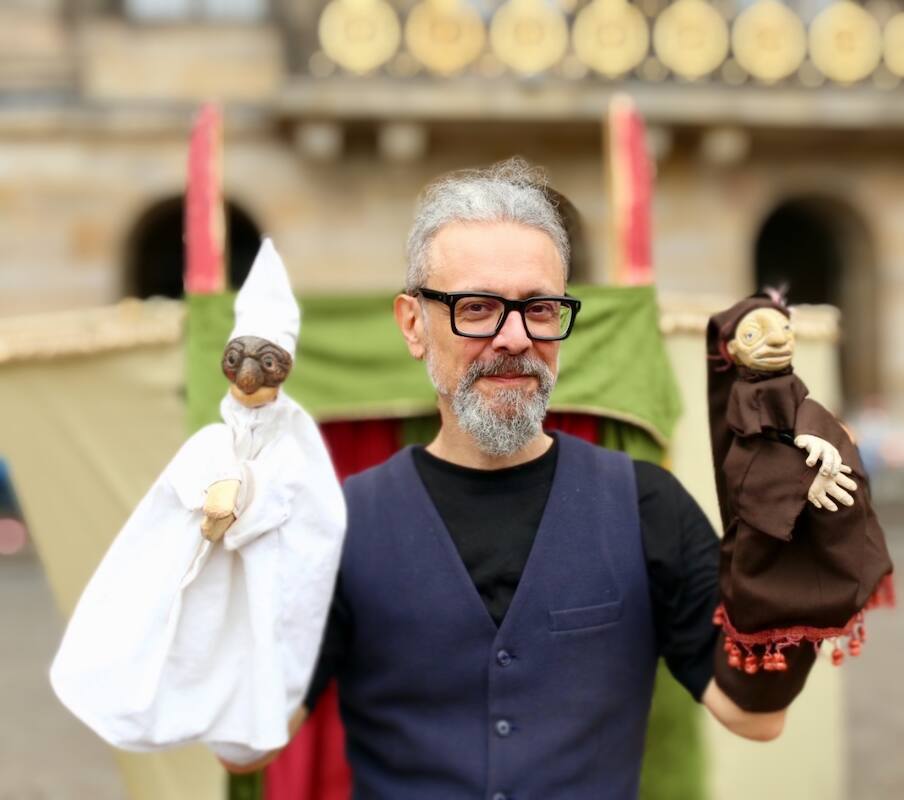
Gianluca Di Matteo
Gianluca Di Matteo has been working with puppets since 2000.
A student of the masters of the Neapolitan school of guarattelle, he presents his shows around the world, collaborating with festivals, theaters, and Italian cultural institutes abroad. He has worked in Canada, Korea, Japan, Taiwan, China, Turkey, France, Spain, the Netherlands, England, Ireland, Bulgaria, Belgium, Germany, Switzerland, Austria, Denmark, Norway, Poland, the Czech Republic, and Slovakia.
In Italy, his work is featured at festivals, theaters, and schools through the project “Mus-e: Art for Integration in Schools.”
He is involved in training, leading workshops for professionals, actors, and puppeteers. He carves his puppets from wood; these are also on display in the United States at the Center for Puppetry Arts in Atlanta and at the Puppentheatermuseum in Vorchten, Netherlands, as part of a theater and museum project on blindness, and in Brussels at the Théâtre Royal du Péruchet.
Gianluca di Matteo is also a stage technician and works as a set designer.
art
DIRECTION , PUPPETS AND SCENOGRAPHY Gianluca Di Matteolinks
download
IMAGERY ARCHIVE GALLERY 1.1 MBIMAGERY ARCHIVE THAT'S HOW 65.9 MB
that's how